
 (231) 734-2616


SpringHill Christian Camp
Parent Resource Guide
Everything You Need to Know About Camp
Sending your child to camp is a big decision.
This page walks you through each step of the camp experience so you know what to expect and can feel confident along the way.
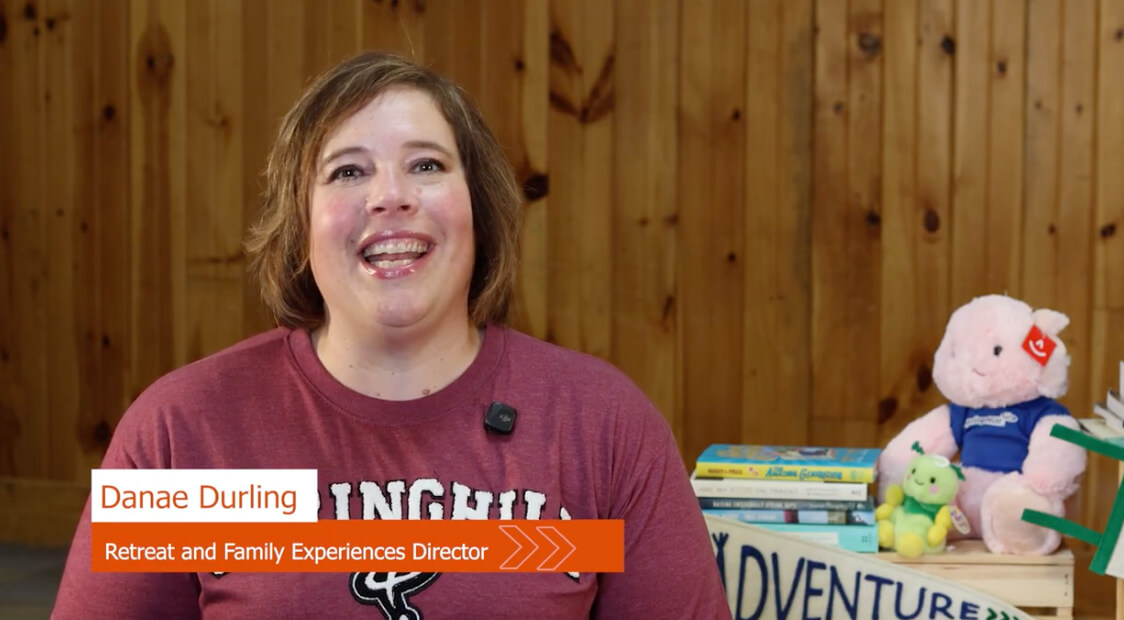

First Time Sending Your Child to Camp?
Sending your child to camp for the first time is a big step.
It’s normal to feel a mix of excitement and nerves and your child may be feeling the same way. That’s okay. It usually means something meaningful is about to happen.
Thank you for trusting us with your child this summer.
Your child is in good hands.
Our staff are carefully selected, background checked, and trained to care for and lead campers well. Behind the scenes, our teams are preparing every detail, from cabins to meals, to create a safe and positive experience.
What Makes Camp So Impactful
Camp creates space for kids to grow in ways that don’t happen in everyday life.
- Time away from screens
- Real friendships and face-to-face connection
- Trying new things and building confidence
- Space to grow in their faith
What You Can Expect
Many first-time campers come home:
- More confident
- More independent
- With new friendships
- Talking about what they learned and experienced
We’re Here for You Too
If you have questions, or just need a little reassurance, you’re not alone.
We’ll also have a First-Time Parent Meeting on Opening Day, where you can ask questions or connect with our team.
If you’re a first-time camp parent, we invite you to meet with one of our Program Directors to ask questions, hear what to expect, and feel confident about your camper’s week. Email ddurling@springhillexperiences.com to schedule a time to connect. We’re excited to partner with you!
Preparing for Camp + Opening Day
Getting ready for camp is part of the experience.
There’s a mix of excitement, preparation, and maybe a few nerves for both you and your child. A little preparation goes a long way in helping your camper feel confident and ready for the week ahead.
Here’s what to expect as you get ready for camp and arrive on opening day.
Preparing Your Camper
As camp gets closer, your child may feel both excited and nervous. That’s normal.
One of the most helpful things you can do is remind them:
“You can do this. I believe in you.”
Camp is a chance for kids to grow in independence, making decisions, trying new things, and learning they’re capable.
A Note on Homesickness
Homesickness can happen at any age.
Talking about it ahead of time and giving your child simple ways to respond when they miss home can help them work through it with confidence.
And it’s okay if you miss them too.
Simple Packing Tips
A little organization makes camp much easier for your child.
- Pack with your child so they know where everything is
- Label everything (bags, water bottles, bedding)
- Consider packing outfits by day to keep things simple
- Send luggage your child can manage
Medications
If your child takes medication:
- Enter it in your camper portal before arrival
- Bring it in the original container
- Keep it separate during check-in
- Our team will collect and manage all medications for the week.
What Opening Day Looks Like
When you arrive at camp:
- Check in at the Auditormium
- Drop off any medications
- Get on a tram to go to your child’s housing area to meet their counselor
- Help them get settled in their cabin
- After that, you’ll say your “see you soon” while your camper begins their week.
We’ll guide you through each step so you always know where to go and what to expect.
Your Camper’s Safety
We know one of the most important questions you’re asking is simple:
Is my child safe?
At SpringHill, safety isn’t one thing it’s built into everything we do, from the people we hire to the way we operate each day.
Here’s a look at how we care for your child while they’re at camp.
People You Can Trust
Safety starts with the people caring for your child.
Every staff member goes through:
- A thorough interview process
- Background checks and reference verification
- Extensive pre-camp training
Training doesn’t stop once camp begins. Our staff continue to review safety practices throughout the summer to ensure they’re prepared for any situation.
A Safe Environment
We take intentional steps to create a secure environment across the entire property.
- Controlled access points and monitored entry
- Staff identification to ensure only authorized individuals are on site
- Clear supervision structures and leadership oversight
These systems help us maintain a space where campers can feel safe and supported.
Medical Care & Emergency Preparedness
Our team is prepared to respond if something comes up.
- On-site medical staff available at all times
- Certified lifeguards and trained activity staff
- Established emergency procedures developed with local authorities
- Close proximity to local emergency services
We plan ahead so we’re ready for whatever the week may bring.
Clear Communication & Accountability
We create an environment where campers feel comfortable speaking up.
- Campers are encouraged to share concerns
- Staff are trained to respond quickly and appropriately
- We follow all state reporting requirements as a licensed facility
- A two-adult rule ensures campers are never alone with a single staff member
These practices help protect campers and create transparency in everything we do.
Why It Matters
When kids feel safe, they’re more willing to try new things, build relationships, and grow.
That’s why safety is the foundation for everything that happens at camp.
Closing Day + After Camp
Closing day is more than just picking your child up.
It’s a chance to celebrate what they experienced, hear what they learned, and begin carrying that impact home together.
Here’s what to expect and how to make the most of it.
Why Closing Day Matters
Throughout the week, your child has been learning, growing, and trying new things.
Closing day is your opportunity to step into that with them to listen, celebrate, and begin connecting what happened at camp to everyday life at home.
What the Day Looks Like
When you arrive:
- You’ll park and pick up your child’s luggage
- Head to the Amphitheater where resources and staff are available
- Find a seat for a program highlighting the week and all God did!
After that, you’ll join your child for a smaller group time before checking them out and heading home.
Helping Your Child Process the Week
Every camper responds differently.
Some will talk the whole way home. Others may need time.
A few simple ways to help:
- Ask open-ended questions about their week
- Be patient if they’re slow to share
- Listen for what stood out most to them
You may hear songs, stories, or new habits they picked up while they were here.
Bringing Camp Home
Camp doesn’t end when you leave.
You’ll receive resources to help continue what your child started:
- Devotionals connected to what they learned
- Conversation prompts for your family
- Ideas for staying engaged in faith and growth
Small moments at home can help carry this experience forward.
What to Expect After Camp
It’s normal for kids to come home tired—or full of energy and stories.
Give them space to rest, reconnect, and settle back into routine.
However they respond, it’s all part of the transition from camp back to everyday life.
While Your Camper Is at Camp
Once your child is here, a natural question is:
What are they doing each day?
Camp is full, active, and intentionally designed to help kids have fun, build relationships, and grow.
Here’s a look at what their week will feel like.
A Full (and Fun) Day
Camp days are active and mostly spent outside.
Your child’s day will include:
- Water activities, games, and group time
- High-adventure experiences like climbing or ziplining
- Time to build friendships and try new things
Some kids jump right in. Others take smaller steps. Both are part of a great camp experience.
Challenge + Encouragement
Camp is designed to stretch kids in healthy ways.
For some, that means trying a new activity.
For others, it might be making a new friend or stepping into a new environment.
Our staff meet campers where they are encouraging growth without forcing it.
Rest, Meals, and Routine
With full days comes the need for rest.
We build in:
- Time to slow down between activities
- Regular meals with a variety of options
- Evening routines that help campers wind down
Counselors help campers stay hydrated, rest when needed, and take care of themselves throughout the week.
Communication During the Week
You’ll be able to stay connected in a few ways:
- Photos and videos are shared so you can see moments from the week
- You can send encouraging messages (“bunk notes”) to your camper
- Our team is available if you need to get in touch
We encourage parents to check in—but also to trust that your child is fully engaged in the experience.
A Growing Experience
Being away from home can bring new experiences—friendships, independence, and sometimes challenges.
Our staff are trained to walk with campers through all of it, helping them grow in confidence, relationships, and character.

Download Your Parent Guide
Overnight Summer Camp Packing Essentials
Important Packing Details: PLEASE READ
We recommend two bags only: a suitcase for clothing and a large duffel bag for a sleeping bag and pillow. Please do not bring loose items.
When removing bedding and sleeping bags from storage, we recommend using one of the following methods to eliminate the possibility of carrying bugs or eggs that may have made a home over the winter months:
- Place items in a clothes dryer on high heat for 30 minutes
- Vacuum or clean with soap and water or an alcohol-based cleaning product.
Please bring a “stuff” bag or duffel bag for your child’s sleeping bag and pillow. A rolled sleeping bag always comes unraveled when walking through camp. Your child’s pillow also needs to be stored in the duffel bag.
Place toiletries in a plastic bag, toiletry bag, or kit that makes it easy to travel to the showers and reduces the chance of spilling.
Make sure your child’s name is on ALL items.
Pack with your child so they know where everything is and develop a sense of responsibility.
Please bring any medications in their original packaging to registration and check them in with a staff member on Opening Day. Do not pack medications in your child’s luggage!
Identification tags on your bags are required and should include the child’s name, home address, parent’s cell number, and email. It is also a good idea to place an identification tag inside your bags.
Make your bags visually distinctive so they are easier to find at pick up or if misplaced.
Helpful Links
Camp Location
Evart, MI 49631
Evart, MI 49631