
 (231) 734-2616


WE DO THE POSSIBLE
The Story of SpringHill’s Founding Director, Enoch Olson
How God Used One Man’s Faith to Shape Generations
This article is published in honor of SpringHill founder Enoch Olson—his life, his faith, and the enduring mission God entrusted to him. While no single article can capture the full measure of Enoch’s influence, we hope this story preserves the values that continue to shape SpringHill today.
The Seventh Invitation
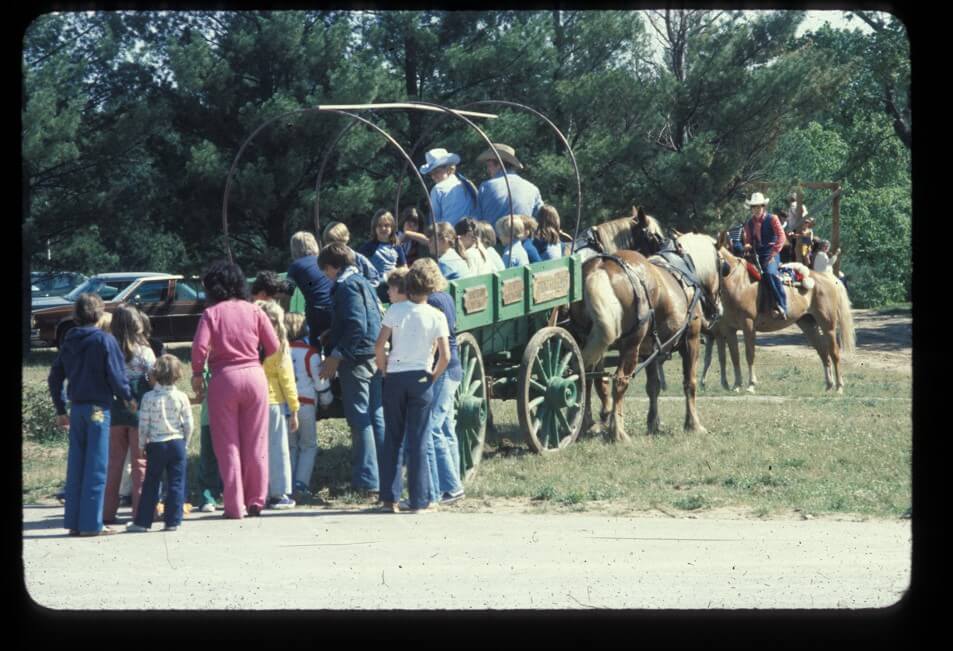
On a Sunday afternoon in northern Michigan, a familiar ritual unfolds.
Parents pull away slowly, waving through open car windows as counselors greet children by name. Sleeping bags disappear into covered wagons and cabooses. Nervous smiles become laughter. By evening, strangers have become cabinmates; counselors have become trusted guides, and another week at SpringHill has begun.
It has happened hundreds of thousands of times.
For most campers, it simply feels like camp.
Few realize they are stepping into a vision that first took shape more than half a century ago. Fewer still know the name of the man whose convictions continue to shape nearly every part of their experience.
That would not have troubled Enoch Olson.
He never hoped to build a place that would remember him. He hoped to build a place where young people would remember Jesus Christ.
In that simple distinction lies the story of SpringHill.
Every ministry has an origin story. SpringHill’s began long before the first camper arrived.
In the late 1960s, the wooded property outside Evart belonged to Collie and Pearl Decker, who dreamed it might one day become a Christian camp—a place where young people could encounter Christ amid God’s creation. After Collie died, Pearl quietly protected that dream, declining opportunities to sell because she believed the land had been set aside for another purpose.
In the fall of 1967, Pastor Clarence Balmer visited the property. Walking beneath towering pines and looking across the spring-fed lakes, he saw possibility. Returning to fellow pastors in the Evangelical Free Church, he described the land with conviction. Soon they were standing together on the property, praying for a ministry that did not yet exist and wondering how a handful of churches with limited resources might somehow purchase 515 acres they could scarcely afford.
The land would eventually become theirs.
Finding someone to lead it proved more difficult.
One name kept surfacing.
Enoch Olson.
At the time, Enoch was serving as pastor of the Evangelical Free Church in Rockford, Illinois. Christian camping had shaped much of his own life—he had grown up at Rainbow Lake Bible Camp and later served there—but he believed God had called him to the local church.

When leaders from Michigan invited him to direct a brand-new camp, his answer was immediate.
“No.”
The invitation came again.
Again, he declined.
Months passed.
Another invitation.
Another refusal.
The founders persisted, convinced God had prepared him for work he could not yet see. Enoch continued saying no because he believed faithfulness meant remaining where he already was. Neither side resisted God’s will. Both were trying to discern it.
Years later, Enoch would smile as he told the story. After the sixth invitation, he and his wife reached a quiet understanding. If they asked one more time, perhaps it was time to stop asking whether the opportunity made sense and begin asking whether God was speaking through the persistence itself.
The seventh invitation came.
This time, Enoch said yes.
Nothing about the circumstances had changed. The property still needed roads, buildings, equipment, and people. The budget remained painfully small. The future looked anything but secure.
Only Enoch had changed.
He had become convinced that obedience mattered more than certainty.
It would become a defining pattern of his life.
Looking back, it is tempting to imagine SpringHill arriving fully formed, as though someone had drawn a master plan and simply built it over time.
The reality was quieter than that.
Before there were villages, climbing towers, or creative cabins, there was a man walking the property alone, praying.
He wasn’t asking how to build a successful camp.
He was asking a different question.
“Lord, what kind of place should this become?”
The answer unfolded slowly.
Children needed more than recreation—they needed relationships. More than entertainment, they needed purpose. More than a week away from home, they needed a place where they could encounter Jesus Christ in ways that felt personal, authentic, and unforgettable.
Those convictions became the blueprint long before they became buildings.
The first summer, 256 campers arrived.
To most people, it looked like a promising beginning.
To Enoch, they were 256 young lives entrusted to SpringHill’s care.
Every one of them mattered.
Years later, SpringHill became known for creative programming, remarkable facilities, and unforgettable experiences. Enoch hoped it would become known for something simpler: that every child who came to the hill would leave knowing, perhaps for the first time, that they were deeply loved by God.
He could not have imagined how far that prayer would travel.
Different Kind of Camp
SpringHill was never meant to be different simply for the sake of being different.
Every creative idea, every unusual space, and every carefully planned activity grew from a single question that guided Enoch’s thinking:
How can this help a young person encounter Christ?
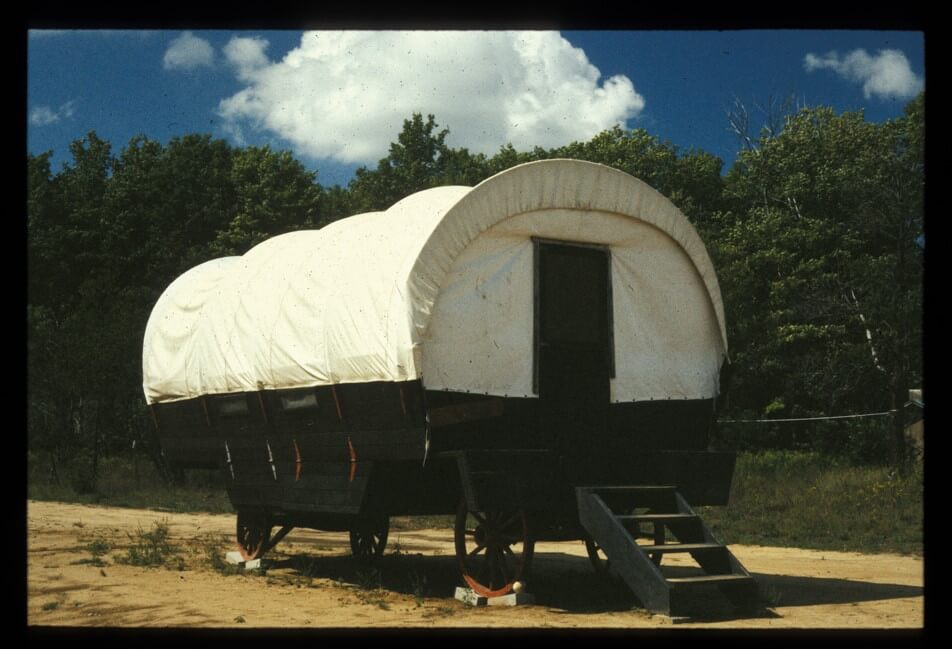
The answers were rarely conventional.
Campers would live in villages instead of long rows of identical cabins, allowing counselors to know every child personally. They would sleep in covered wagons, stockade forts, cabooses, and other imaginative spaces that awakened curiosity before the week had even begun. Adventure would not compete with spiritual formation. It would become one of its greatest partners.
Enoch understood something many adults forgot.
Children rarely remember outlines from a sermon.
They remember how a place made them feel.
They remember the counselor who listened, the cabin where friendships began, and the campfire conversation that lingered long after the songs had ended. Long before educators spoke about experiential learning, Enoch instinctively understood that faith is often formed through experience as much as instruction.
Camp should never be a week of entertainment interrupted by chapel.
Every hour mattered.
A horseback ride could become a conversation about trust. A challenging course could become an invitation to courage. A shared meal might become the place where a camper finally found the confidence to ask difficult questions about God. Some of the most important moments happened not on a stage, but while walking a trail or sitting beside a lake as daylight slowly disappeared.
From the beginning, SpringHill also saw itself as a partner with families and churches, not a replacement for either. One of the ministry’s earliest mottos captured that conviction with remarkable simplicity:
Helping Parents Raise Better Kids.
Those words reflected more than a marketing message. Parents were God’s primary influence in a child’s life. The local church remained central to spiritual formation. Camp existed to strengthen both.
That conviction still shapes SpringHill today.
The Culture That Stayed
Organizations are often remembered for what they build.
SpringHill became known for something more enduring.
A culture.
Not the kind preserved in employee handbooks or strategic plans, but the kind that shapes how people treat one another and survives long after its founders are gone.
That may have been Enoch Olson’s greatest contribution.
Visitors noticed the creativity first—the villages, the covered wagons, the cabooses tucked among the pines. What they couldn’t immediately see was the conviction beneath it all.
Every detail had a purpose.
A child who felt welcomed was more likely to trust.
A child who trusted was more likely to ask honest questions.
And a child willing to ask honest questions was already taking a step toward discovering Christ.
That same conviction shaped the staff.
Long before orientation manuals or leadership development programs, there was a simple expectation:
Love people well. Work hard. Serve with joy. Pay attention.

Counselors discovered that ministry often happened while cleaning cabins before breakfast or walking beside a homesick camper after chapel. Maintenance teams learned that repairing a cabin was an act of hospitality before the campers ever arrived. Kitchen staff prepared meals that communicated a simple message:
You matter enough for us to do this well.
No role was insignificant.
Only different ways of serving the same mission.
Those habits became traditions.
Traditions became expectations.
Expectations became culture.
Without realizing it, one generation taught the next.
Former campers returned as counselors.
Counselors returned with their children.
Grandparents watched another generation step onto the same wooded paths they had walked decades earlier.
The buildings changed.
The camp grew.
et something familiar remained.
Not nostalgia.
Character.
There was still laughter echoing through the trees. Counselors still learned campers’ names. Conversations around campfires still carried as much weight as those from the chapel stage.
People often describe places like SpringHill as timeless.
The truth is more remarkable.
The place changed constantly.
The culture did not.
Years after Enoch retired, SpringHill’s leadership began asking a simple question:
What makes SpringHill…SpringHill?
Parents answered differently than alumni.
Campers noticed things board members never saw.
Former staff described experiences children couldn’t fully explain.
Yet beneath those different perspectives, the answers were remarkably consistent.
Belonging.
Wonder.
Courage.
Growth.
Faith.
Joy.
Purpose.
Eventually those observations became known as The SpringHill Experience.
It wasn’t a new philosophy.
It was simply a name for a culture that had existed from the beginning.
The Legacy No One Could Measure
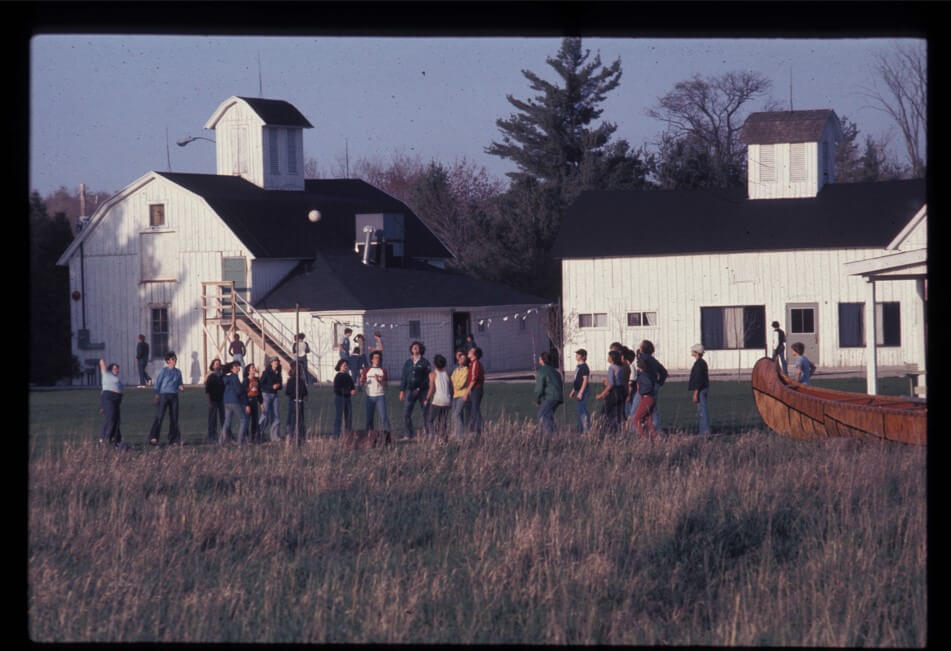
The first summer, 256 campers arrived.
The next year there were more.
Then more still.
Over the decades, those numbers grew to hundreds of thousands.
Statistics tell part of the story.
Enoch rarely lingered there.
He cared far more about what happened after the buses pulled away.
Camp lasts a week.
Its influence rarely does.
Some campers returned home carrying a first Bible tucked inside a duffel bag. Others brought home questions they had never been willing to ask before. Some left with the quiet confidence that God knew them personally. Others simply returned different than when they had arrived, though they could not yet explain why.
Parents noticed.
Youth pastors noticed.
Teachers noticed.
Sometimes the campers themselves only understood years later.
Faith often grows that way.
Not all at once.
But slowly, faithfully, over time.
As those campers grew, the stories multiplied.
Some sensed a call to ministry around a campfire.
Others became teachers, physicians, business owners, missionaries, faithful parents, and volunteers whose names would never appear in headlines but whose lives reflected Christ.
SpringHill never claimed credit for those stories.
Nor did it try.
The ministry had simply become one place where God met people.
The rest of the story belonged to Him.
That delighted Enoch.
He never measured success by what happened at camp.
He measured it by what happened because of camp.
The same was true for the counselors.
Each spring, hundreds of young adults arrived expecting to invest in campers.
Many discovered that God intended to shape them just as deeply.
Leadership often looked less like standing in front of people than walking beside them. Ministry happened while cleaning cabins, comforting a homesick child, or praying quietly after the day’s schedule had ended.
Those lessons endured long after camp ended.
As SpringHill matured, its influence extended well beyond northern Michigan.
Other Christian camps borrowed ideas they could see—creative housing, village communities, adventurous programming.
They were also drawn to something less visible:
the investment in counselors,
the partnership with parents and churches,
the conviction that excellence and joy belong together,
and the belief that fun and faith are never competing priorities.
Years after Enoch stepped away from leadership, many of the children who had once raced through the villages returned with children—and eventually grandchildren—of their own.
The buildings had changed.
The activities had evolved.
Yet something felt remarkably familiar.
The Mission Entrusted
Every founder eventually reaches the same moment.
The work that once depended on their hands must be entrusted to someone else’s.
To build something that lasts requires more than vision.
It requires the humility to believe the mission belongs to God, not to the person leading it.
Enoch understood that from the beginning.
SpringHill had never been his ministry.
He believed he had simply been invited to steward it for a season.
When Enoch retired in 1995, he left behind a ministry far different from the one he first encountered. The property where volunteers once wondered whether there would be enough lumber—or enough money—had become a place where generations of young people encountered Christ, churches found a trusted ministry partner, and families returned year after year.
Leadership passed to his son, Mark Olson, whose gifts complemented his father’s in meaningful ways. If Enoch had been the pioneer, Mark became the builder, strengthening the organization and preparing SpringHill for another generation.
Following Mark’s death in 2001, SpringHill again faced the question every enduring ministry eventually encounters:
Would the mission remain larger than the moment?
Under the leadership of Michael Perry, the answer became increasingly clear.
Rather than reinventing SpringHill, Michael and his team set out to understand it. They invited staff, alumni, parents, campers, and board members to articulate what generations had already experienced.
The result was not a new philosophy.
It was language for an existing one.
The language was new.
The culture was not.
What had quietly shaped SpringHill for decades finally had a name:
The SpringHill Experience.
Today, another generation carries that responsibility.
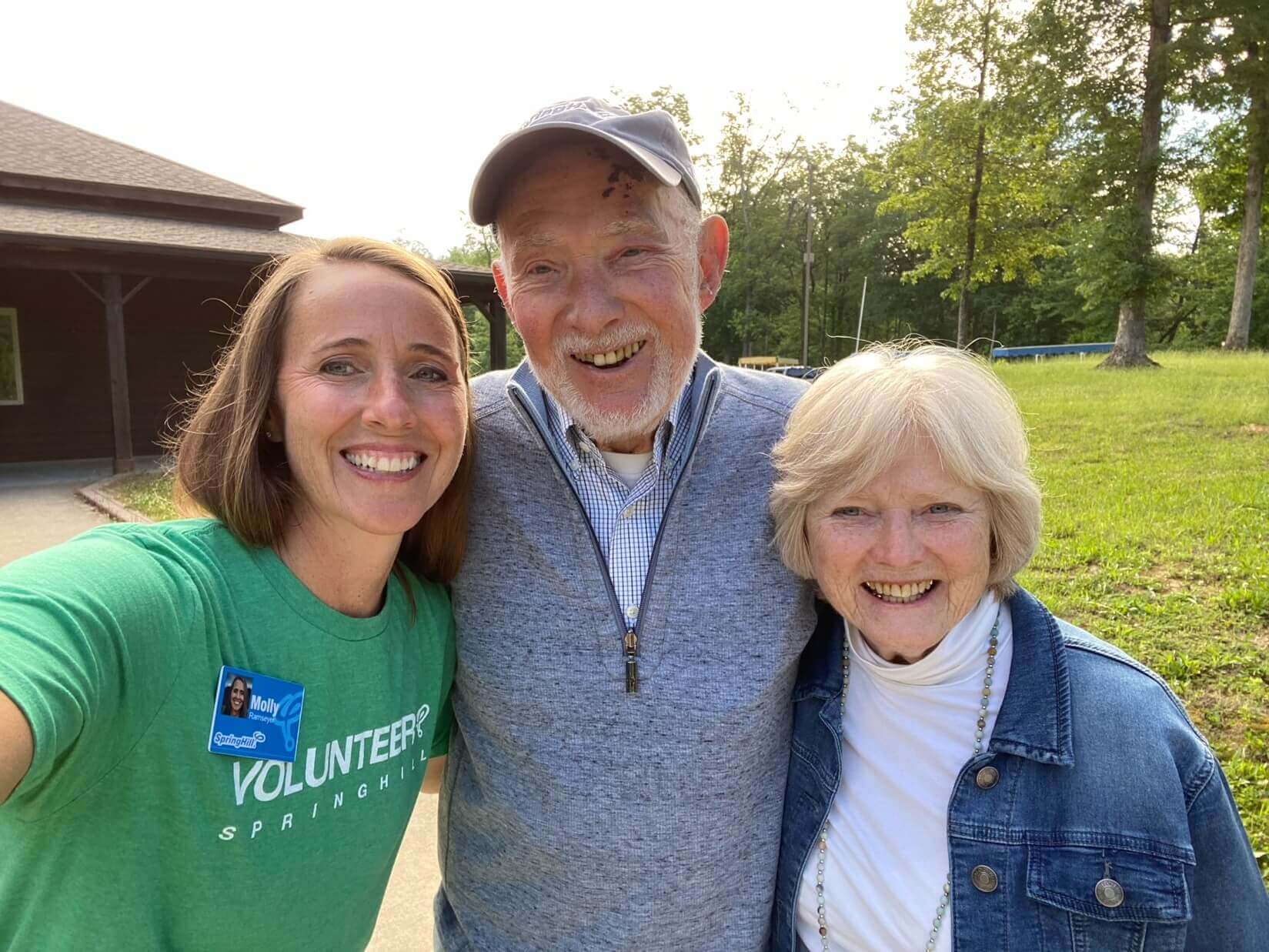
President Molly Ramseyer knows SpringHill not only as its leader, but as someone whose own life was shaped here. She first arrived as a shy camper, returned years later as a counselor, and now leads the ministry that helped shape her faith and calling.
Her story reflects a story that SpringHill has been writing for more than five decades: young lives transformed by Christ, growing into leaders, who faithfully invest in the next generation.
Under Molly’s leadership, SpringHill continues serving young people in a world very different from the one Enoch first entered in 1969.
Children face new challenges.
Families carry new burdens.
Technology has transformed daily life.
The mission remains unchanged.
“The greatest gift Enoch left SpringHill wasn’t a campus or a program. It was a way of faithfully pointing young people to Jesus. Every generation has the privilege—and the responsibility—of carrying that mission forward.”
— Molly Ramsayer, SpringHill President
–
That continuity may be the clearest testimony to Enoch’s leadership.
He never built a ministry around his personality.
He helped cultivate convictions strong enough to guide leaders he would never meet, and campers not yet born.
Near the End of His Life
Near the end of his life, Enoch was asked what he hoped SpringHill’s future would hold.
His answer was remarkably simple.
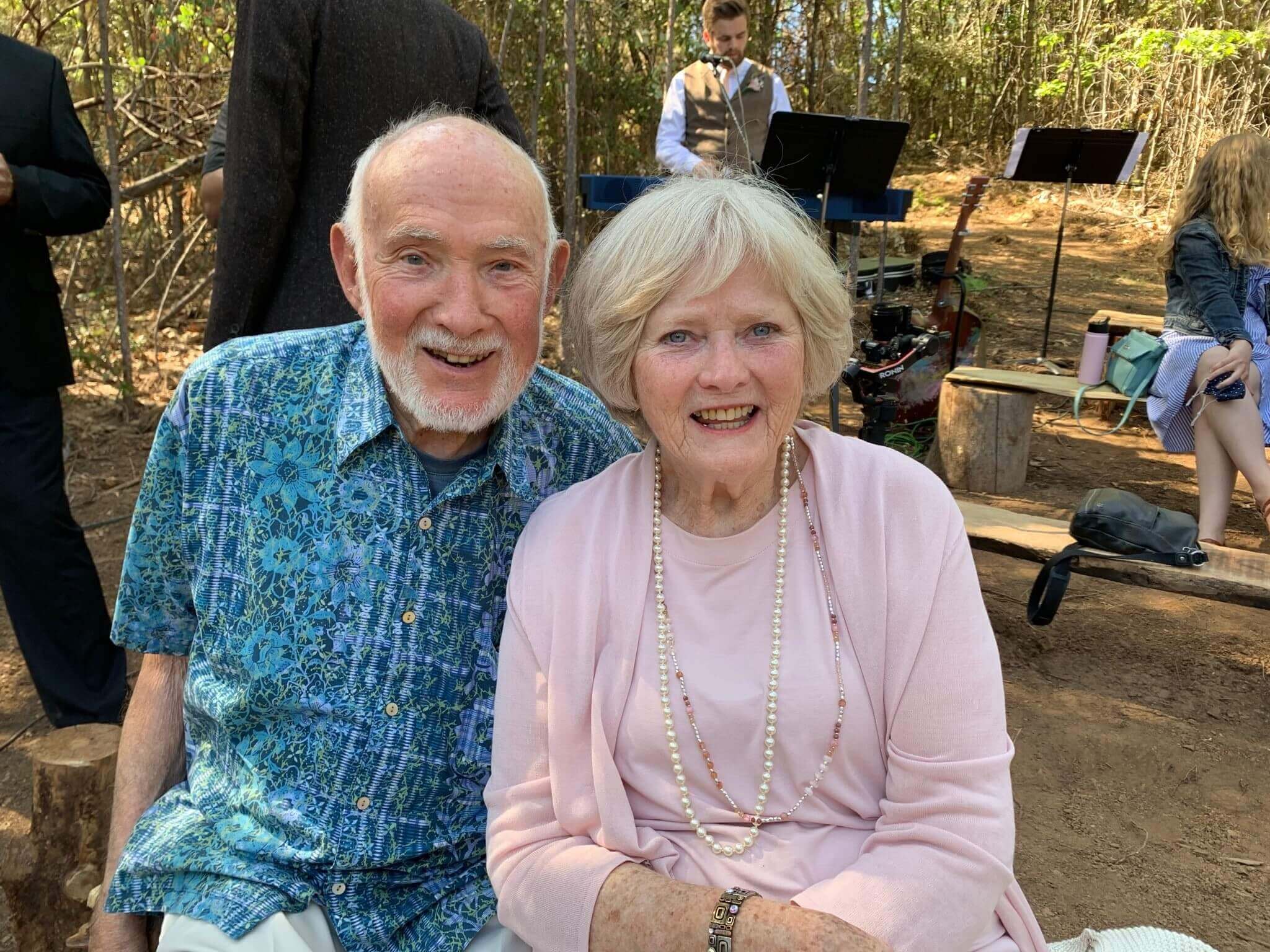
He did not pray for larger attendance.
He did not pray for more buildings.
He did not pray that future generations would remember his name.
He prayed that SpringHill would remain faithful to God’s Word, steadfast in its mission, and continue to see lives transformed by the grace of Jesus Christ.
More than fifty years after a reluctant pastor accepted a seventh invitation, that prayer is still being answered.
Every Sunday afternoon, another generation of campers arrives.
Parents hug their children goodbye.
Counselors welcome them by name.
Sleeping bags disappear into covered wagons and cabins.
Friendships begin.
Questions are asked.
Faith takes root in ways no one can fully measure.
Most of those campers will never know the story of Enoch Olson.
Perhaps that is exactly as he would have wanted it.
His greatest hope was never that they would remember his name.
It was that they would remember the name of Jesus.
For more than half a century, God has answered that prayer through counselors who invested in a child, conversations around campfires, quiet walks through the woods, moments of courage on a climbing tower, and countless ordinary acts of faithfulness made holy because He was present.
Enoch often reminded those around him,
“We do the possible. God does the impossible.”
He spent a lifetime doing the possible.
God has been doing the impossible all along.
Through one faithful act of obedience.
Through generations of counselors.
Through churches and families.
Through countless young people whose lives were forever changed by the grace of Jesus Christ.
By His grace,
He still is.